

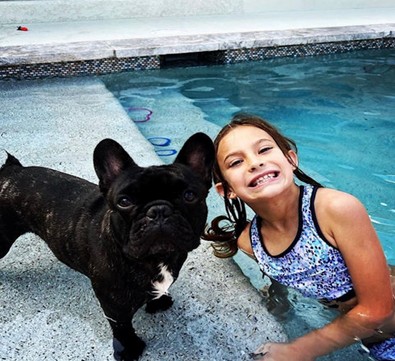
Cute pictures attract attention immediately, although personality details matter far more during real adoption situations eventually. Every serious Frenchie ‘s adoption search should include direct communication with foster families whenever possible online. Foster homes often understand sleeping habits, anxiety triggers, and social behaviour much better. Random marketplace listings usually provide very limited behavioural information for interested adopters.
Rescue Bulldogs Sometimes Need Slower Household Introductions
Families sometimes overwhelm newly adopted dogs with visitors, loud excitement, and nonstop interaction immediately after arrival. Thoughtful French bulldog adoption planning includes quiet adjustment periods and consistent household routines from the beginning. Many rescue bulldogs need time before trusting unfamiliar environments comfortably inside new homes. Slow introductions often reduce stress-related chewing, barking, and bathroom accidents afterwards.
Children Should Learn Respectful Handling Around Bulldogs
French Bulldogs generally enjoy companionship but still require personal space during stressful or painful situations occasionally. A careful Frenchie for adoption process should include teaching children calm interaction habits before adoption officially happens. Pulling ears, climbing aggressively, or interrupting sleep may create defensive reactions unexpectedly later. Supervision remains important even around friendly and social rescue dogs.
Financial Planning Helps Prevent Future Rescue Returns
Unexpected veterinary bills sometimes force owners into heartbreaking surrender situations after medical emergencies appear suddenly. Responsible French Bulldog adoption preparation includes emergency savings and realistic budgeting for future healthcare needs permanently. Bulldogs occasionally require surgery, allergy treatment, or specialised diets as they age. Financial readiness protects dogs from unstable living arrangements and repeated relocation stress.
Crate Training Can Support Better Adjustment Periods
Some adopters avoid crates completely without understanding their usefulness for nervous rescue bulldogs adjusting indoors slowly afterwards. Many Frenchie for adoption organisations recommends crate routines because dogs often feel secure in protected spaces naturally. Proper crate use should never involve punishment or excessive isolation from family interaction daily. Comfortable bedding and short sessions usually improve acceptance gradually.
Exercise Should Stay Moderate and Consistent Daily
French Bulldogs enjoy activity but often struggle with overheating and breathing pressure during intense exercise outside regularly. Healthy French Bulldog adoption routines usually involve shorter walks instead of exhausting outdoor adventures every afternoon. Cool morning schedules often work better than busy midday activity during warmer seasons outside. Consistency matters more than extreme physical exercise for most bulldogs overall.
Conclusion
Adopting rescue bulldogs involves patience, realistic planning, and steady daily care from committed families everywhere today. Rescuefrenchbulldogs.org provides useful guidance for people comparing rescue options and preparing suitable home environments responsibly. Strong adoption decisions usually happen after careful research instead of emotional impulse choices online. Speak with experienced rescue workers, review medical records thoroughly, and create stable routines before bringing any bulldog home.