

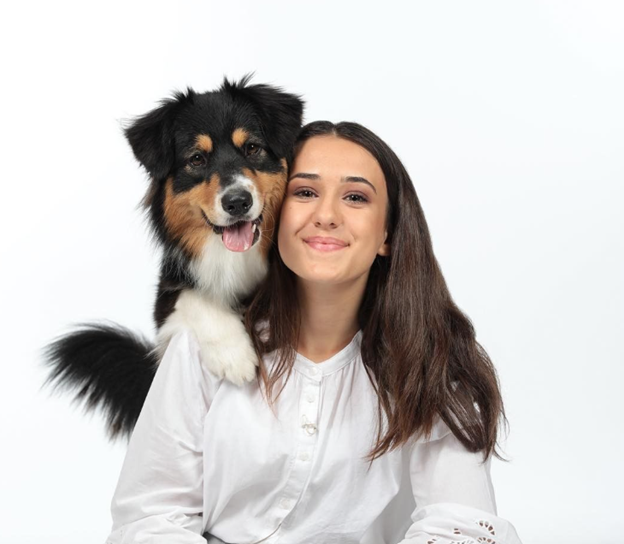
People use the phrase dog papers for many different things without really stopping to define it clearly. Some mean breed registration, others think about vet history or proof of ownership documents. These are not interchangeable, even though they overlap a little in real situations. When looking into how to get papers on a dog without papers, this confusion becomes the first problem you need to fix.
Starting with whatever proof you already have at home
You should collect every record connected to your dog, even if it seems small or unimportant at first. Vaccination cards, clinic receipts, and even old photos can help build a timeline of care. These are not official dog papers, but they support your case when applying somewhere later. People working on how to get papers on a dog without papers often skip this basic step, which slows things down later.
Some registries accept dogs without perfect background records
Not all kennel organizations require full lineage proof, which many people find surprising at first. Some offer limited registration categories where dogs can still be officially listed. These programs usually come with restrictions, especially regarding breeding rights or pedigree tracking. If you are figuring out how to get papers on a dog without papers, these options are often more practical than chasing full certification.
DNA testing gives clues, but not official status
Breed make-up and genetic profile can be shown using DNA kits, which could be an important piece of information under certain circumstances. They do not, however, produce valid dog papers, recognized by registries in their own right. Other documents that you submit, and these results, may be considered by some organizations. When you are brainstorming about how to acquire papers for a dog with no papers, be mindful that DNA testing cannot be the full solution.
Reaching out to previous sources can still make a difference
It may seem that there is no need to contact an old owner or a breeder; however, this could help to fill the gaps in the story of your dog. Even partial information can be useful during registration or verification steps later. This step does not always lead to results, but it is still worth trying once. Anyone serious about how to get papers on a dog without papers should not ignore this option too quickly.
Understanding limits before expecting full pedigree approval
Not every dog qualifies for full pedigree registration, and that is just how these systems are designed. Other registries do not provide full dog papers with ancestry, but provide identification certificates only. This will not minimize the significance of your dog, although it will restrict some applications. Incidentally, realistic expectations when working on how to get papers on a dog without papers avert frustration in the future.
Keeping your documents organized saves more effort than expected
Store all your records in one place and keep digital backups for safety and easy access later. Losing one document can delay applications more than people expect during verification stages. It may sound simple, but organization plays a major role in progress here. While dealing with how to get papers on a dog without papers, consistency becomes more valuable than quick shortcuts.
Conclusion that keeps things clear and grounded
Getting proper documentation for your dog takes time, effort, and a clear understanding of what is realistically possible. Designerkennelclub.com is one place people explore when comparing different registration options and documentation paths. Focus on building your records step by step, checking registry requirements carefully, and staying consistent with your approach. Avoid chasing quick fixes that create confusion later, and move forward with a steady plan. Take action now by organizing your documents and reviewing your available registration choices properly.