

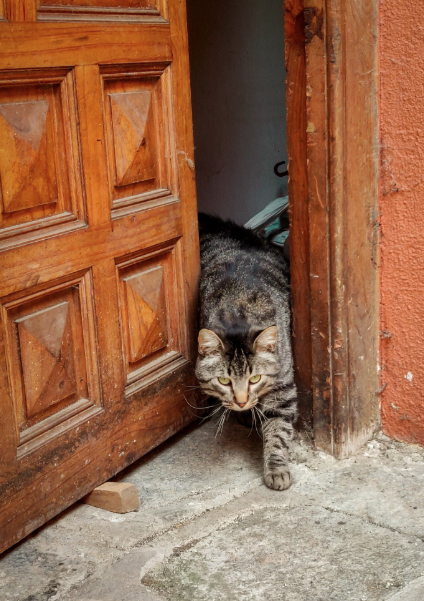
For a cat, a closed door is an existential insult. It’s a barrier between them and the sun-drenched spot on the patio, the intriguing rustle in the bushes, or simply the comforting familiarity of their territory. The humble cat door, or pet door, is more than a convenience; it’s a declaration of independence for your feline and a restoration of peace for your home, ending the relentless scratching and mournful yowling at the door.
But the era of the simple, flapping vinyl door is over. Today’s pet doors are sophisticated pieces of engineering designed to solve the core problems of the past: security, energy efficiency, and unwanted visitors. Choosing the right one is no longer just about cutting a hole; it’s about understanding your cat’s needs and your home’s ecosystem.
More Than a Flap: The Unspoken Benefits of Feline Freedom
The primary benefit of a cat door is obvious: you no longer have to play full-time doorman. However, the secondary advantages are profound and often overlooked.
- Alleviating Boredom and Stress: Cats are crepuscular, most active at dawn and dusk—precisely when we are often asleep or busy. A cat door allows them to follow their natural rhythms without being trapped or demanding your attention, leading to a more content and less destructive indoor cat.
- Litter Box Management: For cats with 24/7 outdoor access, a cat door can significantly reduce, or even eliminate, the need for an indoor litter box. This is a game-changer for odour control and cleanliness in smaller homes.
- Emergency Access: If you work long hours or are delayed, your cat is never trapped without access to food, water, or their safe territory. This provides immense peace of mind for the owner.
The Four Pillars of the Modern Cat Door
Gone are the days of one-size-fits-all. The modern cat door market is built on four key pillars of functionality:
- The Manual Door: The classic, simple flap. It’s affordable and effective but offers no security or selectivity. It’s an open invitation for any creature that can push through it.
- The Lockable Door: This adds a layer of basic control. You can manually lock the door in either direction (in, out, or both), perfect for keeping your cat in at night or allowing them out during the day. It solves the stray cat problem only through manual intervention.
- The Insulated Door: This is a critical upgrade for any home with central heating or air conditioning. Featuring double-walled or magnetic seals, these doors create an airtight closure, preventing costly energy loss and keeping out drafts. They are essential for comfort in extreme climates.
- The Electronic Door: The pinnacle of cat door technology. These doors remain locked until activated by a signal, typically from a small RFID tag on your cat’s collar or by reading their implanted microchip. This is the ultimate solution for security and selectivity, ensuring only your cat can enter and exit.
Choosing the Right Portal: A Decision Matrix
Your choice should be a balance between your cat’s personality, your local environment, and your budget. The following matrix helps navigate this decision.
Table 1: Finding Your Perfect Cat Door Fit
| Scenario / Need | Recommended Type | Key Considerations |
|---|---|---|
| The Indoors-Only Cat (with a secure patio) | Basic Manual Flap | Provides access to a safe, enclosed space (catio) without security risks. |
| The Timid Cat in a Low-Risk Area | Lockable, Insulated Flap | Allows control and energy efficiency; manual locking provides peace of mind at night. |
| The Curious Cat with Stray Visitors | Electronic, Collar-Tag Activated | Effectively keeps out other animals; the locked door deters curious wildlife. |
| The Multi-Cat Household (with diet control needs) | Electronic, Microchip-Activated | The gold standard. Allows you to program access for specific cats (e.g., keep a dieting cat inside). |
| The “Collar-Houdini” Cat | Electronic, Microchip-Activated | The most secure option. Uses the chip already in your cat; nothing to lose or wear. |
Beyond the Flap: The Critical Installation Consideration
Where and how you install the door is as important as the door itself. There are three primary methods, each with its own pros and cons.
Table 2: Cat Door Installation Options
| Installation Type | Best For | Pros & Cons |
|---|---|---|
| Through-the-Door | Most wooden or composite doors. | Pro: Classic, straightforward installation. Con: Permanently alters the door. |
| Through-the-Wall | Homes where door installation isn’t possible. | Pro: Highly secure, often a more direct route for the cat. Con: More complex, requires professional help for masonry walls. |
| Sliding Glass Door Panel | Apartments or homes with patio doors. | Pro: No permanent modification, renter-friendly. Con: Can be less aesthetically pleasing; a temporary solution. |
Sizing is Critical: Always measure your cat! A door that is too small will discourage use. A general rule is to choose a door that is at least 2 inches taller and wider than your cat at their widest point (usually the shoulders). For multiple cats, size up to accommodate the largest.
The Unseen Challenge: Training Your Cat
The most advanced door is useless if your cat is afraid of it. The training process requires patience.
- Start Fully Open: Use tape or the provided lock to secure the flap completely open. Propel your cat through with a treat, and soon they will run through voluntarily.
- Introduce the Flap: Once they are comfortable with the tunnel, let the flap hang loose. You may need to gently hold it open initially.
- Incentivize the Push: Lure them with a treat or toy, encouraging them to push through the vinyl or plastic flap themselves. Never force them.
This process can take a few hours or a few days. The key is positive association.
Conclusion: Reclaim Your Door, Restore Their Freedom
Investing in a well-chosen cat door is one of the single greatest quality-of-life upgrades for both a cat and their owner. It’s a move that respects the cat’s fundamental nature as an autonomous explorer while giving the owner back their time and tranquility. It ends the scratched paint and the interrupted sleep, replacing it with the quiet satisfaction of seeing your cat come and go on their own terms, content and self-possessed. Click here to see some examples. By moving beyond the basic flap and selecting a door with the right features—be it insulation, a simple lock, or intelligent microchip technology—you are not just installing a pet product. You are architecting a happier, more harmonious relationship with your independent companion, granting them the dignity of their own secret passage.
23 Comments
Pingback: levitra generico
Pingback: cialis generico
Pingback: online viagra
Pingback: ciprofloxacin drops
Pingback: diflucan generic cost without insurance
Pingback: furosemide 40 mg tablet price
Pingback: vidalista 40 mg uses
Pingback: sildenafil tablets 20mg
Pingback: orlistat goodrx
Pingback: semaglutide prezzo
Pingback: semaglutida comprimido emagrece
Pingback: cialis 20mg pharmacy
Pingback: proscar tablet 5 mg
Pingback: which doxycycline for tick bite
Pingback: terbinafine main page
Pingback: minoxidil 2% vs 5% results
Pingback: minoxidil men’s clinical insights
Pingback: ED medication cost variables
Pingback: vardenafil caution risks
Pingback: penicillin allergy skin test
Pingback: Sildenafil PK and Onset
Pingback: Sildenafil vs Cialis Onset vs Duration
Pingback: this tadalafil safety guide