

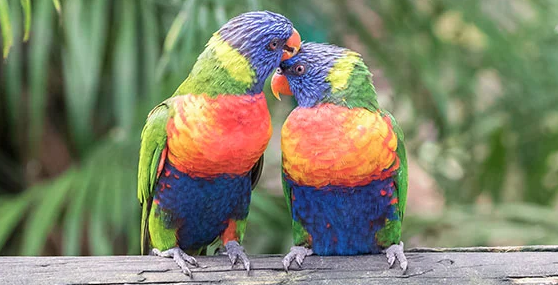
Dogs and cats still dominate most conversations about pet health, but they are no longer the only animals shaping modern veterinary care. More households now keep parrots, lizards, snakes, turtles, frogs, and other non-traditional companions, and that change is having a real effect on how vets think about medicine, prevention, and welfare.
These pets do not follow the same rules as dogs and cats. They have different anatomy, different environmental needs, different stress responses, and different ways of showing illness. That makes their care more specialised, but it also makes it more interesting. For owners, it means one simple thing – good care starts with understanding that unusual companion animals need advice built around their own biology, not adapted from a general pet template.
That is why the rise of specialist care for birds and reptiles matters. It is not just a veterinary issue. It affects how owners set up habitats, what they feed, how they spot early warning signs, and how quickly they act when something seems off. The better informed owners become, the better the long-term outcome tends to be for the animal.
Why one-size-fits-all advice falls short
One of the biggest misconceptions around birds, reptiles, and amphibians is that they are somehow simpler than dogs and cats. They may not need daily walks or constant supervision, but that does not make them low-maintenance in any meaningful sense.
In many cases, their needs are actually more exact. A reptile may rely on very specific heat gradients, UVB exposure, and humidity levels to stay healthy. A bird may need proper sleep, mental stimulation, a balanced diet, and a calm environment to avoid chronic stress and related health issues. If those details are off, the animal cannot simply adapt and carry on.
That is where many first-time owners get caught out. A setup may look fine at a glance, but still be missing key elements that affect health over time. The pet survives, but it may not really be thriving. This is one reason specialist veterinary advice matters so much with unusual species.
Biology changes the whole picture
What makes unusual companion animals so medically interesting is also what makes them harder to care for casually. Their bodies work differently, and those differences influence everything from diagnosis to treatment.
Birds have an efficient but sensitive respiratory system that can make respiratory illness more complicated than people expect. Reptiles are ectothermic, which means body temperature depends on the environment. That affects digestion, metabolism, immune function, and even how medication is processed. Amphibians are different again, with highly sensitive skin and strong dependence on moisture and water quality.
To an owner, these details might sound technical. In everyday life, though, they shape basic care decisions. The wrong lighting, poor airflow, bad humidity control, or an incomplete diet can all become medical issues over time. That is why specialised care is less about complexity for its own sake and more about accuracy.
Why unusual pets often hide illness
One of the hardest things about keeping birds and reptiles is that they often do not look obviously sick until a problem has progressed. Many of these animals are prey species, which means they are wired to hide weakness as long as possible.
That can make early illness hard to spot. A bird may still eat while quietly losing condition. A reptile may continue moving around the enclosure while showing only small changes in basking, posture, or appetite. To an inexperienced owner, those changes can be easy to dismiss.
This is also why prevention matters so much. If an animal naturally hides vulnerability, then owners need to rely on observation, routine health checks, and species-specific knowledge rather than waiting for a dramatic symptom. By the time the signs are obvious, the issue may already be more advanced than expected.
Environment is part of the medical history
With dogs and cats, environment matters. With unusual pets, it can determine the entire health outcome. Habitat is not a background detail. It is part of the clinical picture.
A reptile without proper UVB exposure may develop calcium imbalance and metabolic bone disease over time. A bird exposed to chronic stress, poor air quality, or sleep disruption may become more vulnerable to illness or behaviour problems. Inadequate heat gradients can affect appetite, digestion, and immune function in reptiles. Incorrect humidity can contribute to poor sheds, respiratory stress, and skin issues.
This is why good vets do not only look at the animal. They ask about the enclosure, lighting, heating, ventilation, substrate, diet, supplements, and daily routine. For owners, that can be a useful wake-up call. Sometimes the fix is not just medical treatment. Sometimes it starts with improving the animal’s world.
Diagnostics have improved, but experience still matters
Exotic pet medicine has become much more advanced over time. Imaging, faecal testing, blood work, cytology, and other diagnostic tools can all help create a clearer picture of what is going on. That is good news for owners, because it means care is becoming more evidence-based and more precise.
The challenge is that unusual species do not always come with the same depth of reference data that exists for dogs and cats. Test results may be influenced by temperature, season, breeding status, or husbandry conditions in ways that are easy to overlook if a vet is not used to reading them in context.
That is why specialist experience matters. It is not about ordering every possible test. It is about choosing the right test, understanding what the result means for that species, and fitting it into the animal’s actual living conditions. Owners wanting to better understand the medical needs of unusual companion animals should look for guidance that considers species, environment, and long-term welfare together.
The most common health problems are often preventable
One of the more frustrating parts of unusual pet medicine is how many recurring health problems trace back to things that could have been corrected earlier. That does not mean owners are careless. It usually means they were working from incomplete advice, outdated care sheets, or oversimplified online information.
The most common preventable issues include:
- incorrect temperature gradients
- poor UVB setup or expired bulbs
- unsuitable humidity levels
- incomplete or unbalanced diet
- enclosures that restrict natural behaviour
- chronic stress from handling, noise, or lack of cover
- waiting too long because the pet still seems “mostly normal”
The good news is that these problems are often manageable when caught early. A small husbandry change can make a major difference. Better lighting, a more suitable diet, improved enclosure design, or earlier veterinary advice can completely alter the direction of the animal’s health.
Preventive care is where owners gain the most
For unusual pets, preventive care is not about overreacting. It is about getting ahead of subtle problems before they become emergencies. That can be especially valuable with birds and reptiles, since both groups tend to hide illness.
A solid preventive plan often includes reviewing the setup in detail, tracking weight and condition over time, watching for small changes in behaviour, and getting veterinary guidance before something becomes urgent. In some cases, targeted testing may also help build a useful baseline.
For owners, this has two major benefits. First, it reduces nasty surprises. Second, it improves everyday quality of life for the animal. A healthy bird or reptile is not just one that avoids disease. It is one that behaves normally, eats well, uses its environment properly, and shows signs of stability rather than quiet stress.
Specialised care also improves welfare standards
The rise of unusual companion animals in private homes has forced a bigger conversation about welfare. These are not decorative pets. They are living animals with real biological needs, and those needs cannot be compromised without consequences.
That is one reason modern exotic pet medicine matters beyond the clinic. It helps owners understand what proper care really involves. It also helps people make more honest decisions about whether a species is suitable for their home, schedule, budget, and skill level.
Good veterinary advice should support owners, not shame them. It should explain why a certain setup is not working, what realistic improvements can be made, and what warning signs to watch for next. When owners are educated rather than judged, outcomes tend to improve across the board.
Why pet owners should care about the bigger picture
Most owners are not thinking about veterinary science when they clean an enclosure or replace a UVB bulb. They are just trying to look after their pet. But the bigger scientific side of this field still matters, because it drives the quality of advice that eventually reaches the home.
As vets see more birds, reptiles, and amphibians in clinical practice, they build stronger patterns around diagnosis, treatment, prevention, and welfare. That leads to better care standards, more informed protocols, and more reliable education for owners. In other words, the science improves the practical side of ownership.
That makes this more than a niche topic. It is part of a wider shift in how people think about companion animals. Owners are becoming more informed, more observant, and less willing to rely on generic advice that does not match the species in front of them. That is good for pets, and it is a healthy direction for the culture of pet ownership overall.
Better outcomes start with better understanding
Unusual companion animals are firmly part of modern pet ownership now, and their presence is pushing care standards higher. That is a positive change. It means more attention on prevention, more respect for species-specific needs, and a stronger focus on welfare from the start.
For owners, the takeaway is not that exotic pet care has to be intimidating. It is that these animals need informed care, not guesswork. The more you understand about the biology and daily needs of your pet, the more likely you are to catch problems early and create an environment where the animal can genuinely do well.
That is why specialised veterinary care matters. It turns care from a reactive process into a smarter one. And for birds, reptiles, and other unusual pets, that can make all the difference.